
custom glass fabrication
The Metal Marking Gauge A Precision Tool for Artisans and Technicians In the world of metalworking and craftsmanship, precision plays a pivotal role in determining the quality and accuracy of the finished product. Among the myriad of tools available to artisans and technicians, the metal marking gauge stands out as an essential instrument that combines simplicity with remarkable utility. This tool, primarily designed for marking lines on metals, wood, and other materials, serves as a cornerstone in various trades, such as woodworking, metal fabrication, and construction. What is a Metal Marking Gauge? A metal marking gauge typically consists of a body, a movable arm, and a sharp marking point. The body often features a graduated scale or measurement markings to aid in achieving precise measurements. To use the marking gauge, one adjusts the movable arm to the desired distance, securing it in place so that the marking point can create a clean and exact scribe line along the material's surface. While the principle seems straightforward, mastering the use of a marking gauge can significantly enhance an artisan's capability to produce intricate designs and fit components with extreme accuracy. Applications of the Metal Marking Gauge The versatility of the metal marking gauge extends across various applications. In woodworking, it is commonly used for marking out joints, ensuring that cuts are straight and aligned correctly. Carpenters rely on this tool to transfer dimensions accurately, enabling the creation of furniture pieces and structural components that fit together seamlessly. In metalworking, the marking gauge becomes indispensable when preparing materials for cutting, drilling, or welding. Accurate marking can lead to better-fitting parts, reducing waste and the need for extensive rework . For machinists, the ability to mark precise lines on metal stock helps streamline the manufacturing process, ensuring adherence to design specifications. metal marking gauge The metal marking gauge is also invaluable in the construction industry. Builders routinely use it to layout walls, floors, and roof sections, allowing for a systematic approach to large projects. By helping to maintain accuracy in measurements, it ensures that buildings are not only structurally sound but also aesthetically pleasing. Choosing the Right Metal Marking Gauge When selecting a metal marking gauge, several factors come into play. Material and build quality are crucial, as a sturdy gauge will withstand the rigors of daily use. Many craftsmen prefer gauges made from stainless steel or high-carbon steel for their durability and resistance to wear. The design of the marking point is also significant; a sharp point can create cleaner lines and reduce the likelihood of damaging the material being marked. Adjustability is another feature to consider. Some marking gauges offer fine-tuning capabilities that allow users to make minute adjustments, which can be especially beneficial for intricate work. Additionally, gauges with dual marking slots can provide different marking widths, enhancing versatility for various projects. Conclusion In the realm of craftsmanship, the metal marking gauge holds a special place due to its precision and ease of use. Whether one is a novice woodworker or an experienced metalworker, mastering the use of this tool can lead to profound enhancements in the quality of work produced. As artisans strive for perfection, the metal marking gauge remains a steadfast ally, embodying the principle that the foundation of any great creation lies in the details. Through diligent practice and an understanding of this essential tool, craftsmen can continue to produce pieces that not only fulfill their functional purposes but also stand as a testament to their skill and artistry.
about
custom glass fabrication
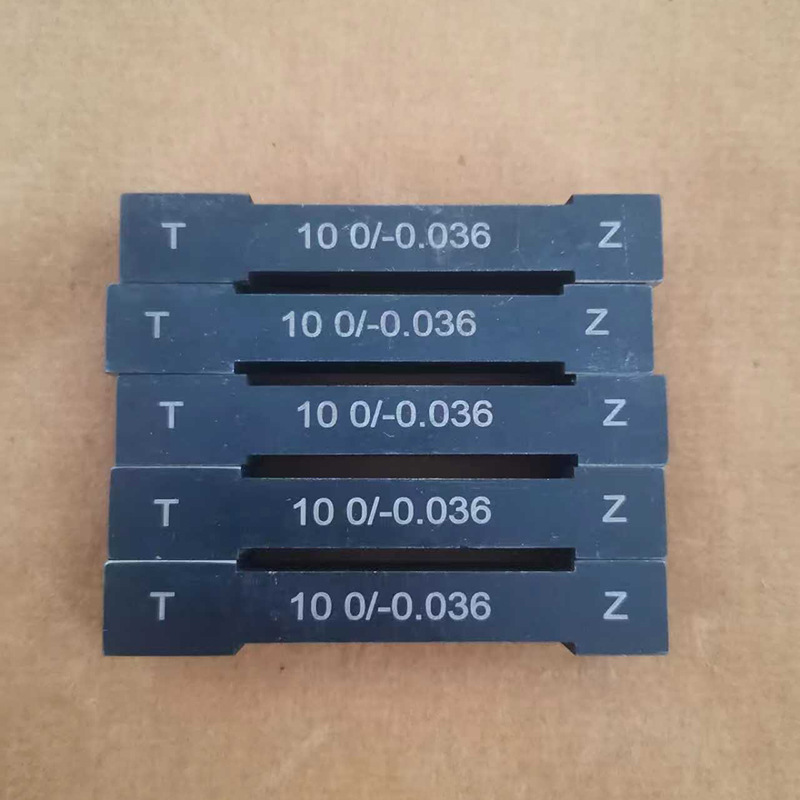
Understanding Standard Bore Gauges Essential Tools in Precision Engineering In the realm of precision engineering, standard bore gauges play a crucial role in ensuring that components meet specific dimensional and quality standards. These instruments are designed to measure the internal diameters of holes, ensuring that they fall within predetermined tolerances. Precision in manufacturing is vital, not only for the performance of the final product but also for the safety and reliability of the machinery in which these components will be used. What is a Standard Bore Gauge? A standard bore gauge is a measuring tool specifically utilized to check the inner diameter of cylindrical objects. Unlike calipers that measure external dimensions, bore gauges allow engineers and machinists to assess the internal profiles of holes, pipes, and various components. They are particularly useful in situations where conventional measuring tools cannot reach or provide accurate readings. Bore gauges generally consist of a body that houses a measuring probe, which expands to fit the internal diameter of the bore being measured. The probe typically has a spring-loaded or a mechanical design that allows for fine adjustments and ensures that the measurement is precise. Once the probe is inserted into the bore, it expands to touch the inner walls, and the measurement can be read on a dial or digital display. Types of Bore Gauges There are several types of bore gauges available, each suited for different applications 1. Dial Bore Gauges These gauges feature a dial indicator that provides a direct reading of the bore's diameter. They are highly accurate and are commonly used in machine shops and assembly lines. 2. Electronic Bore Gauges These modern tools utilize electronic sensors to measure the internal diameter. They often come with digital displays, which can provide more precise readings than their mechanical counterparts. 3. Tapered Bore Gauges These are designed for measuring tapered or conical bores. They include features that allow adjustment to different angles, making them versatile for unique applications. 4. Go/No-Go Gauges These gauges are used to determine whether a bore is within acceptable limits. They feature two ends—one that should fit into the bore (the Go end) and one that should not (the No-Go end). If the Go end fits and the No-Go end does not, the bore is within the required tolerance. standard bore gauge Applications in Various Industries Standard bore gauges are indispensable in several industries, including automotive, aerospace, and manufacturing. In the automotive sector, for example, engine components such as cylinders and shafts require precise internal dimensions to ensure proper fit and function. A slight deviation can lead to poor performance, inefficiency, or even catastrophic failure. In the aerospace industry, where safety is paramount, bore gauges help maintain the high standards necessary for components that endure extreme conditions and pressures. They are used to inspect the internal dimensions of engine parts, hydraulic systems, and many other critical components. Best Practices for Using Bore Gauges To achieve the best results with bore gauges, users should adhere to specific best practices 1. Calibration Regularly calibrate the gauge to ensure accurate readings. A miscalibrated tool can lead to erroneous measurements and compromised quality. 2. Use Proper Technique When measuring, it is essential to apply consistent pressure and avoid forcing the gauge into the bore. This helps prevent damage to both the gauge and the component being measured. 3. Temperature Considerations Measurements can be affected by temperature. It’s essential to account for thermal expansion or contraction in materials when taking readings in environments with fluctuating temperatures. 4. Routine Maintenance Keep the bore gauge clean and free of debris to maintain accuracy and prolong its lifespan. Conclusion In conclusion, standard bore gauges are vital tools in the field of precision manufacturing, contributing to the quality and functionality of countless products. Their ability to provide accurate measurements of internal diameters ensures that components are made to exact specifications, which is essential for reliability and performance. As technology continues to advance, the evolution of bore gauge design and function will likely enhance their already significant role in various industries, further underscoring their importance in modern engineering practices.
-

High quality industrial productsagement

High quality industrial products
View Details -

Meet the diverse needs of customers

Meet the diverse needs of customers
View Details -

Strict quality control

Strict quality control
View Details -

Top raw materials

Top raw materials
View Details -

Trusted supplier

Trusted supplier
View Details
Our application
news and information
Using a Spirit Level for Accurate Measurement Techniques and Applications
Understanding the Spirit Level and Its Measurements The spirit level, also known as a bubble level,

Vanne de retenue à boule de 1% pour une performance optimale du système hydraulique
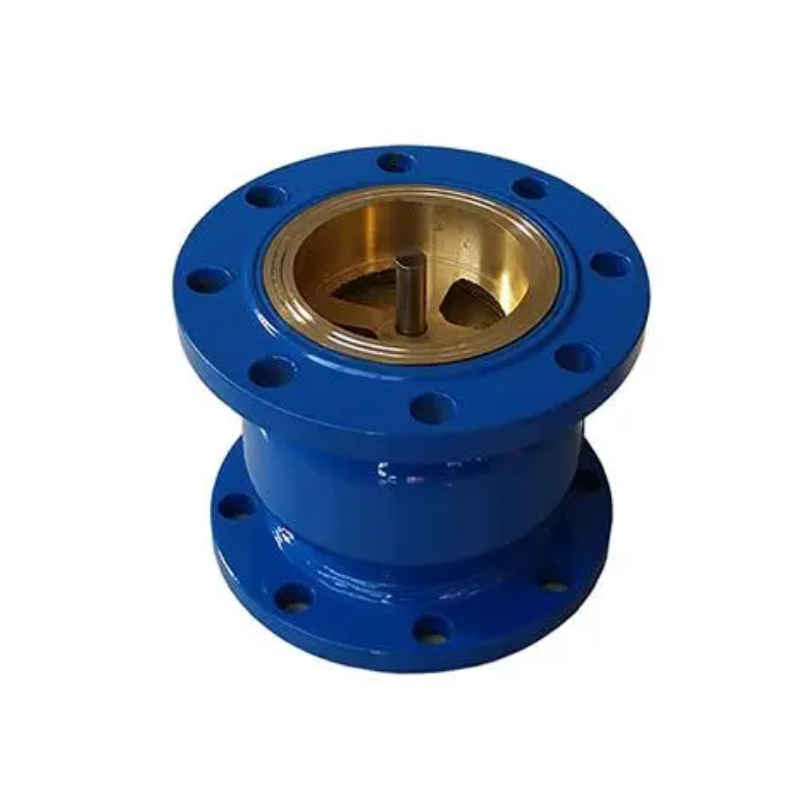
1 ball check valve .
Using a Level to Align a Marking Ruler for Precision Measurements
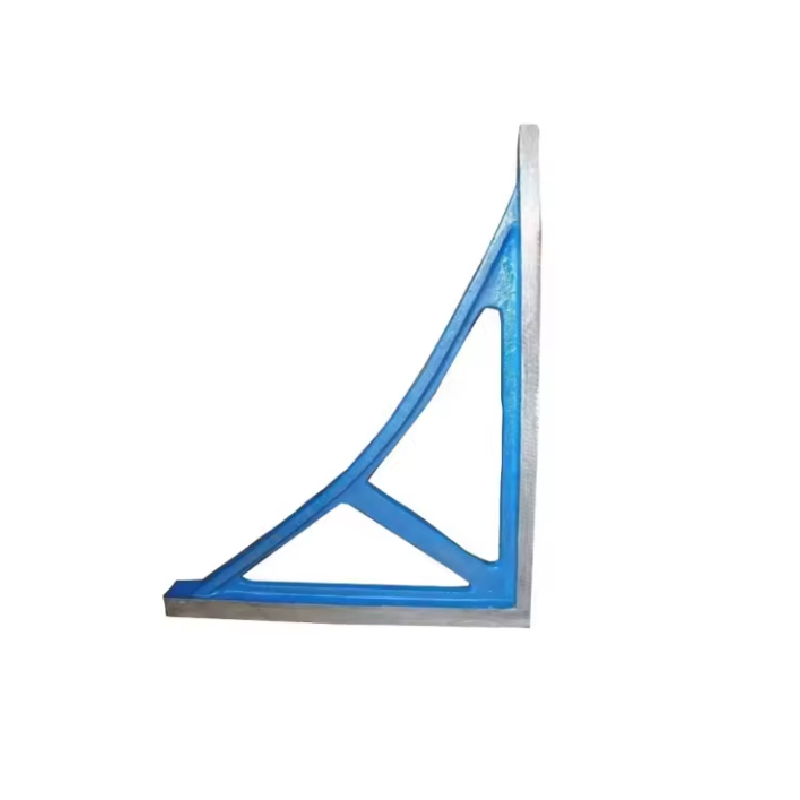
marking ruler with spirit level .
 English